
Home / Products / Heating Wire
Heating resistance conductors
NiCr 80/20, NiCr 60/15 and CuNi1 to CuNi44, as round wire or ribbon, for element winding.
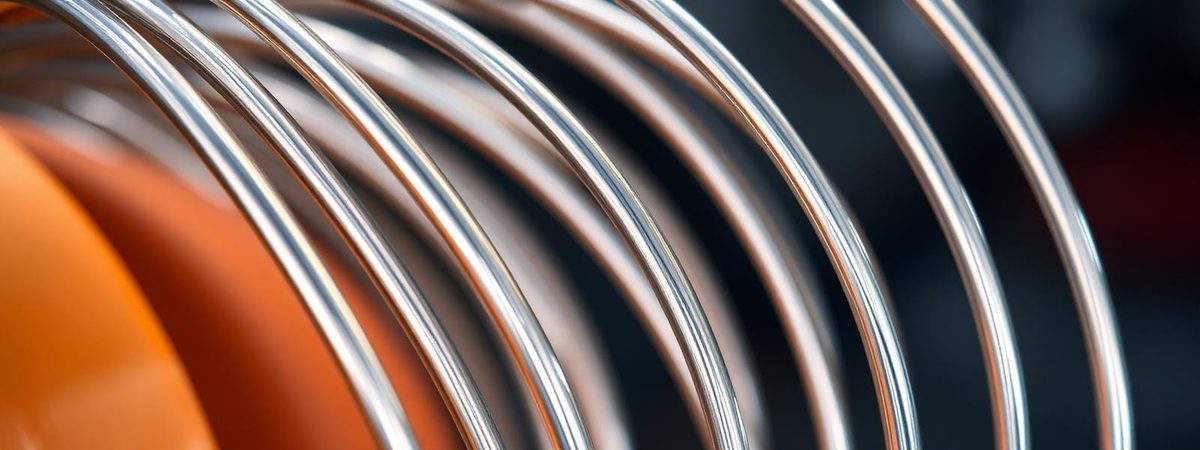
What we draw
| Grade | Max service temperature | Where it is used |
|---|---|---|
| NiCr 80/20 | 1,200 °C | Furnace elements, kiln furniture, high-temperature heaters |
| NiCr 60/15 | 1,150 °C | Elements with a shorter duty cycle or a controlled atmosphere |
| CuNi 1 – CuNi 44 | Up to 600 °C | Low-temperature heating, resistors, shunts, compensating conductors |
Why resistivity is the number to ask for
An element is designed from ohms per metre, not from a grade name. Two heats of the same grade can differ enough in resistivity to change the wattage of a finished element, so the useful thing to ask a supplier for is the measured resistivity of the lot, stated on the certificate — which is what we print.
Where the wire goes
- Furnace and kiln elements
- Industrial process heaters
- Resistors and shunts
- Household and commercial appliances
- Heating-cable conductors
The five pages behind this one
| Grades & composition | Which NiCr and CuNi grades, and what each is wound into. |
| Sizes & tolerances | Round wire and ribbon dimensions, with the tolerance held on each band. |
| Supply forms | Spool, coil, cut length, and the enamelled variant. |
| Testing | Resistivity, diameter, tensile and surface, and what the certificate states. |
| Ordering | The five details that produce a quotation. |
Send a specification
Email: info@wirealloys.com
Reply within one working day, Monday to Friday.